
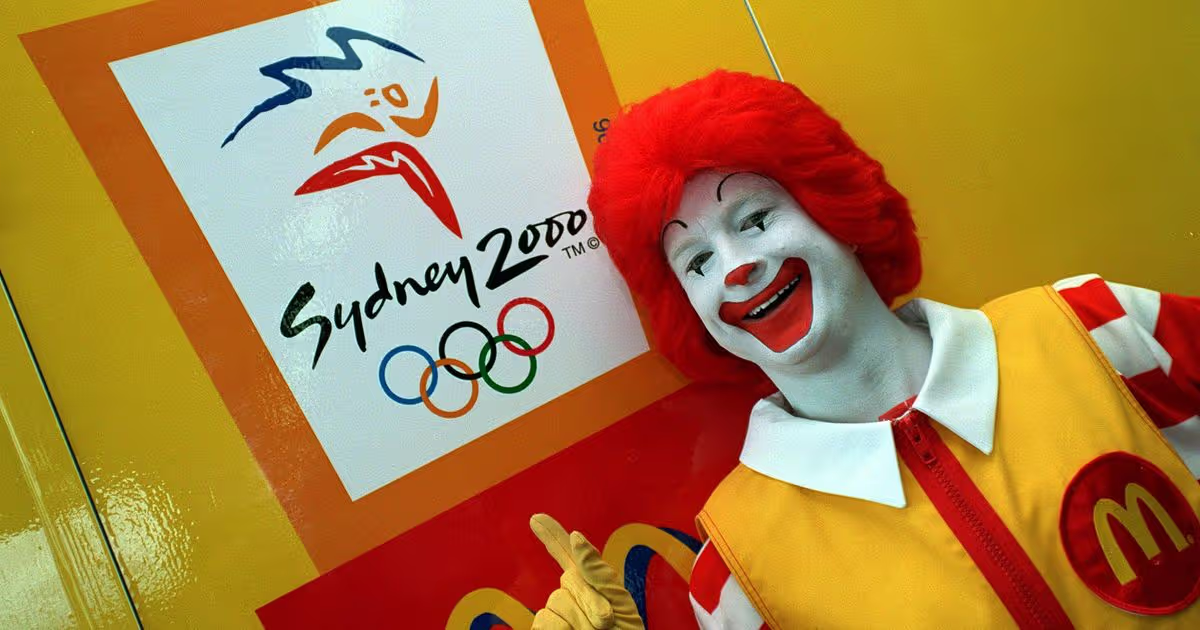
McDonald’s is ending its 32-year FIFA World Cup sponsorship as the fast-food giant rethinks its global marketing strategy and shifts greater investment towards its own brand properties and intellectual property (IP).
The partnership, which began with the 1994 FIFA World Cup, will conclude when the current agreement expires at the end of 2026. The decision follows the company’s largest-ever World Cup marketing campaign, which reached more than 110 countries but fell short of internal expectations.
During McDonald’s second-quarter 2026 earnings call, Chief Financial Officer Ian Borden said the campaign generated business benefits and enthusiasm across the company’s system but underperformed against expectations. The outcome has prompted the company to reassess how major sponsorships contribute to sustainable business growth.
A Shift from Global Sponsorships to Owned IP
McDonald’s is placing greater emphasis on developing distinctive brand experiences, creator collaborations and marketing initiatives that it can control over the long term.
Owned IP allows brands to build recognisable campaigns, characters, experiences and customer communities that remain associated with the brand beyond a single event. In contrast, sponsorships provide access to established audiences but often require substantial investment and may deliver benefits that decline once the event ends.
The company’s latest World Cup campaign featured football personalities, limited-edition menu items and collectible merchandise. Despite its extensive reach, the campaign did not deliver the performance McDonald’s had anticipated.
What This Means for Sports Marketing
The decision highlights a growing challenge for marketers: converting large-scale visibility into measurable business results.
Major sporting events offer access to passionate audiences and significant global exposure. However, reach alone does not guarantee incremental sales, stronger customer loyalty or sustained growth.
Brands are increasingly under pressure to assess sponsorships against clear business objectives, including customer acquisition, repeat purchases, brand preference and long-term revenue contribution.
McDonald’s is not withdrawing from sports marketing altogether. Instead, the company plans to remain involved in sports through other partnerships while becoming more selective about external sponsorships.
The Bigger Marketing Lesson
McDonald’s decision demonstrates that even long-standing partnerships must justify their commercial value. For marketers, the priority is to balance high-profile campaigns with consistent investments in brand identity, customer experience and long-term engagement.
As marketing budgets face greater scrutiny, companies may increasingly favour campaigns that build lasting brand assets rather than relying solely on borrowed audiences and cultural moments.
The future of sports marketing may not be about abandoning sponsorships, but about choosing partnerships more strategically while building brand properties that can deliver value well beyond a single tournament.