
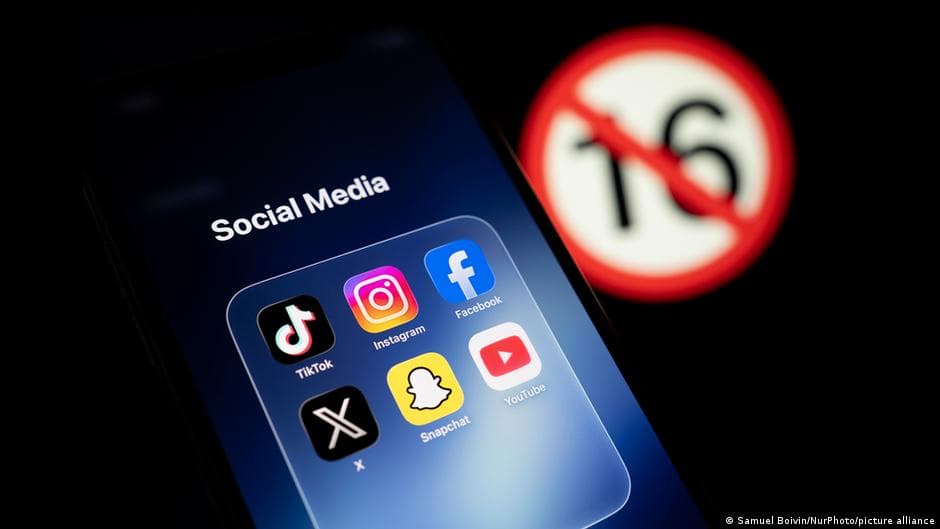
Greece has approved legislation prohibiting children under the age of 15 from accessing social media, marking a significant step in the country's efforts to strengthen online safety for minors.
Greece's parliament approved the legislation on October 23, 2026, following growing concerns about the effects of social media on children's mental health, sleep, concentration and overall well-being. The restrictions are scheduled to take effect on January 1, 2027.
The move places Greece among a growing number of countries exploring stricter age-based restrictions on social media use as governments seek to address the risks associated with excessive screen time and online exposure.
Focus on Children's Online Safety
The legislation aims to protect children from potential harms associated with social networking platforms, including cyberbullying, exposure to inappropriate content and excessive digital engagement.
Greek officials have highlighted concerns about platform features such as algorithm-driven recommendations and endless scrolling, which can encourage prolonged usage and interfere with children's sleep, concentration and social interactions.
The policy reflects a broader shift towards making digital platforms more accountable for the online environments they provide to younger users.
Social Media Platforms Face Implementation Challenges
The new restrictions will require attention to how platforms identify underage users and implement age-related access controls. Technology companies will need to prepare for the January 2027 implementation date while addressing concerns surrounding user privacy and the collection of personal information.
Greece has also participated in discussions with other European Union countries about developing reliable age-verification approaches that protect users' personal data.
The practical effectiveness of the legislation will depend on its implementation, including how underage access is identified and how platforms respond to attempts to bypass restrictions.
Part of a Wider European Debate
Greece's decision comes amid growing discussions across Europe about establishing stronger safeguards for children online. Policymakers are examining whether age restrictions, parental controls and safer platform design can help reduce the risks associated with social media use among minors.
The debate also raises questions about balancing child protection with digital access, privacy and the responsibilities of technology companies.
As countries consider different approaches, Greece's policy could contribute to wider discussions about how governments should regulate social media access for younger users.
Looking Ahead
With the ban scheduled to take effect on January 1, 2027, attention will turn to implementation, platform compliance and the impact on children and families.
The policy represents a significant development in digital regulation and highlights the growing expectation that technology companies and governments must play a role in creating safer online experiences for children.
The results of Greece's approach could influence future policy discussions in other countries considering similar restrictions on social media use by minors.