GTA VI Becomes a Global Marketing Phenomenon as Brands Turn Game Launch into a Business Opportunity
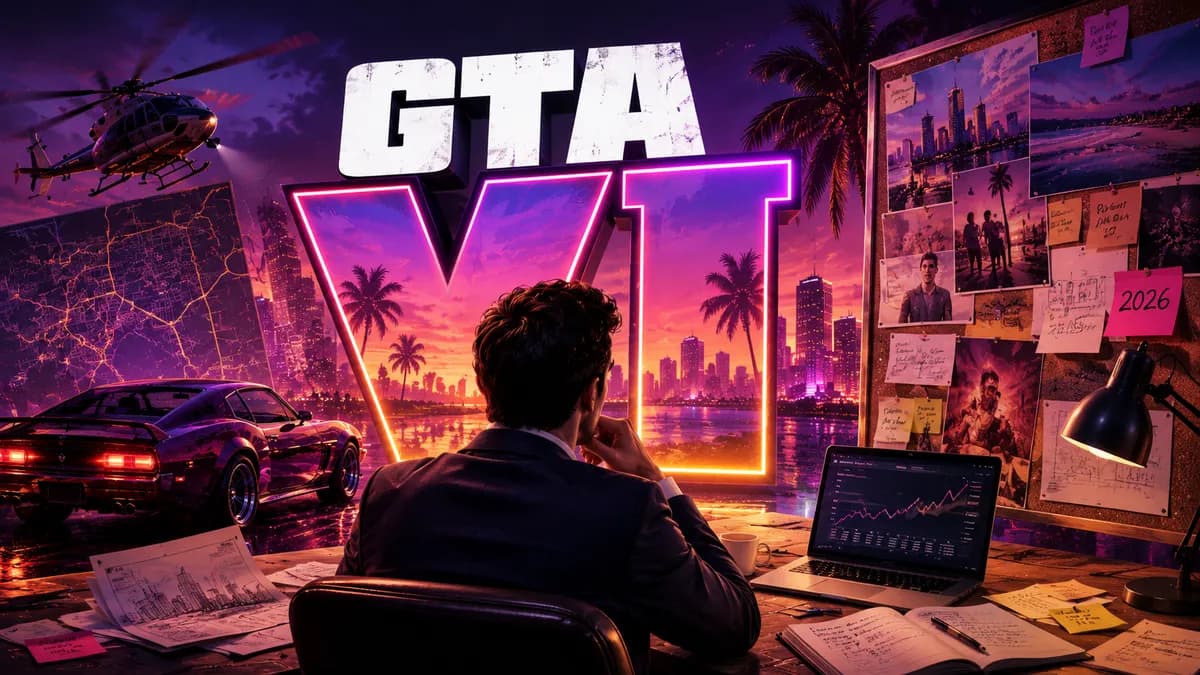
The launch of Grand Theft Auto VI (GTA VI) on November 19, 2026, has become much more than a major video game release. The latest instalment from Rockstar Games has created a global marketing opportunity, attracting brands, retailers, employers and consumers beyond the traditional gaming industry.
After 13 years since GTA V, anticipation for the new release has reached extraordinary levels. Its first trailer attracted more than 93 million YouTube views within 24 hours, while the second trailer generated over 475 million views across platforms in its first day, according to Rockstar.
The scale of this attention has created an unusual situation in which companies are looking for ways to participate in a cultural event without necessarily having a direct commercial connection to gaming.
Brands Turn Gaming Excitement into Marketing Opportunities
Several companies have used the launch to connect with employees and gaming audiences.
Logitech introduced a gaming leave benefit for its global workforce, while Indian brands such as boAt and businesses including Influish and Inde by ChairsCarté announced optional leave initiatives around the launch.
These activities demonstrate how companies can use popular entertainment events to communicate workplace culture and generate organic publicity.
Rather than relying entirely on traditional advertising, brands are participating in conversations that consumers are already having.
Rockstar's Marketing Strategy: Let the Audience Do the Advertising
One of the most interesting aspects of GTA's success is its relationship with advertising.
The franchise is known for satirising consumerism, corporations and advertising through fictional brands such as Cluckin' Bell, Burger Shot, Sprunk and eCola.
Instead of filling its fictional world with conventional real-world product placements, Rockstar has built a distinctive entertainment universe that audiences actively explore and discuss.
This creates a different marketing opportunity for other companies. Brands are trying to associate themselves with the cultural conversation surrounding GTA VI rather than simply purchasing space inside the game.
Quick Commerce Enters the Gaming Market in India
The launch has also created opportunities for India's quick-commerce platforms.
According to data shared by Zepto, more than 100,000 users searched for GTA VI, PlayStation 5 consoles and controllers on the platform during launch week.
Bengaluru led sales, followed by Mumbai, Chennai, Pune, Delhi and Gurugram. Zepto reported availability across 12 Indian cities.
Blinkit also began offering GTA VI across 11 cities, with the PlayStation 5 version priced at approximately ₹5,999.
The activity highlights how a major gaming launch can create demand across related categories, including consoles, controllers and other gaming accessories.
What Marketers Can Learn from GTA VI
GTA VI demonstrates the commercial value of cultural relevance and audience engagement.
For marketers, the launch offers several lessons:
Build conversations: Successful campaigns can connect with topics audiences already care about.
Understand your audience: Marketing becomes more relevant when brands participate in communities that match their customers.
Explore new channels: Entertainment launches can create opportunities across social media, retail and quick commerce.
Create memorable experiences: Campaigns that encourage participation can generate attention beyond conventional advertising.
Measure real outcomes: Searches, views and social engagement should be distinguished from actual sales and conversions.
Conclusion
GTA VI has demonstrated how a major entertainment release can influence marketing activity across industries. From employee engagement and brand visibility to quick-commerce demand, its launch has created opportunities well beyond the gaming market.
The biggest lesson for businesses is that marketing success is not always about buying more advertising. It can also come from understanding cultural moments, joining relevant conversations and creating experiences that audiences genuinely want to engage with.