
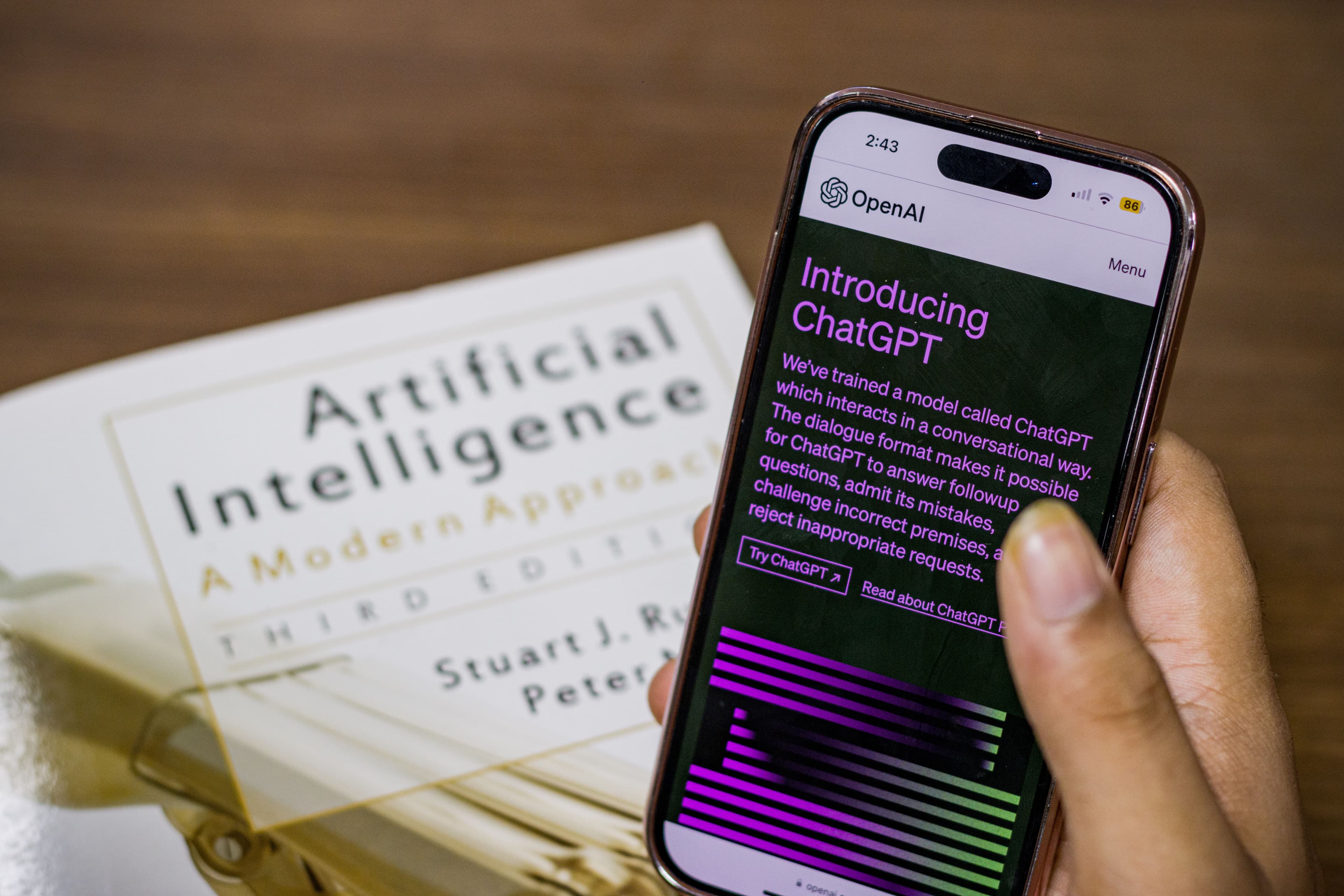
October 6, 2026 — OpenAI is expanding advertising in ChatGPT with a new visual ad format, giving brands another way to reach consumers as they explore products and services through AI.
The new ads will initially be tested in the United States later this month, with a limited group of advertisers. They will appear during ChatGPT’s image-generation experience and are designed to showcase products through visual inspiration, usage examples, and experiences.
How Will the Ads Work?
The visual advertisements will be clearly labeled and kept separate from the images generated by ChatGPT. OpenAI says advertising will not influence the answers ChatGPT provides.
The company is positioning the format as a way for businesses to tell their stories visually while users are already exploring ideas and making purchasing decisions.
Why This Matters
The move signals a major evolution in AI-powered advertising.
Traditional digital advertising relies heavily on search queries, websites, and social platforms. ChatGPT offers something different: a conversational environment where users can explain what they need, compare options, and make decisions.
This could create new opportunities for brands to reach consumers at highly relevant moments.
OpenAI says ChatGPT now reaches 1.2 billion people each week, highlighting the potential scale of its advertising business.
What It Means for Marketers
For marketers, ChatGPT is increasingly becoming another important discovery channel.
Brands may need to think beyond traditional SEO and social advertising and consider how their products can appear naturally within AI-driven shopping and discovery experiences.
OpenAI is also expanding its advertising measurement capabilities and partnerships, helping businesses understand campaign performance and conversions.
The Bigger Picture
Visual ads could be just the beginning of a broader shift toward AI-native advertising.
As consumers increasingly use AI to research, compare, and decide what to buy, advertising may move from simply placing messages in front of audiences to becoming part of the conversational discovery process.
The future of advertising may not just be about where people look—it could be about what they ask AI.