
How Google Maps Data Is Quietly Rebuilding the Prospect List
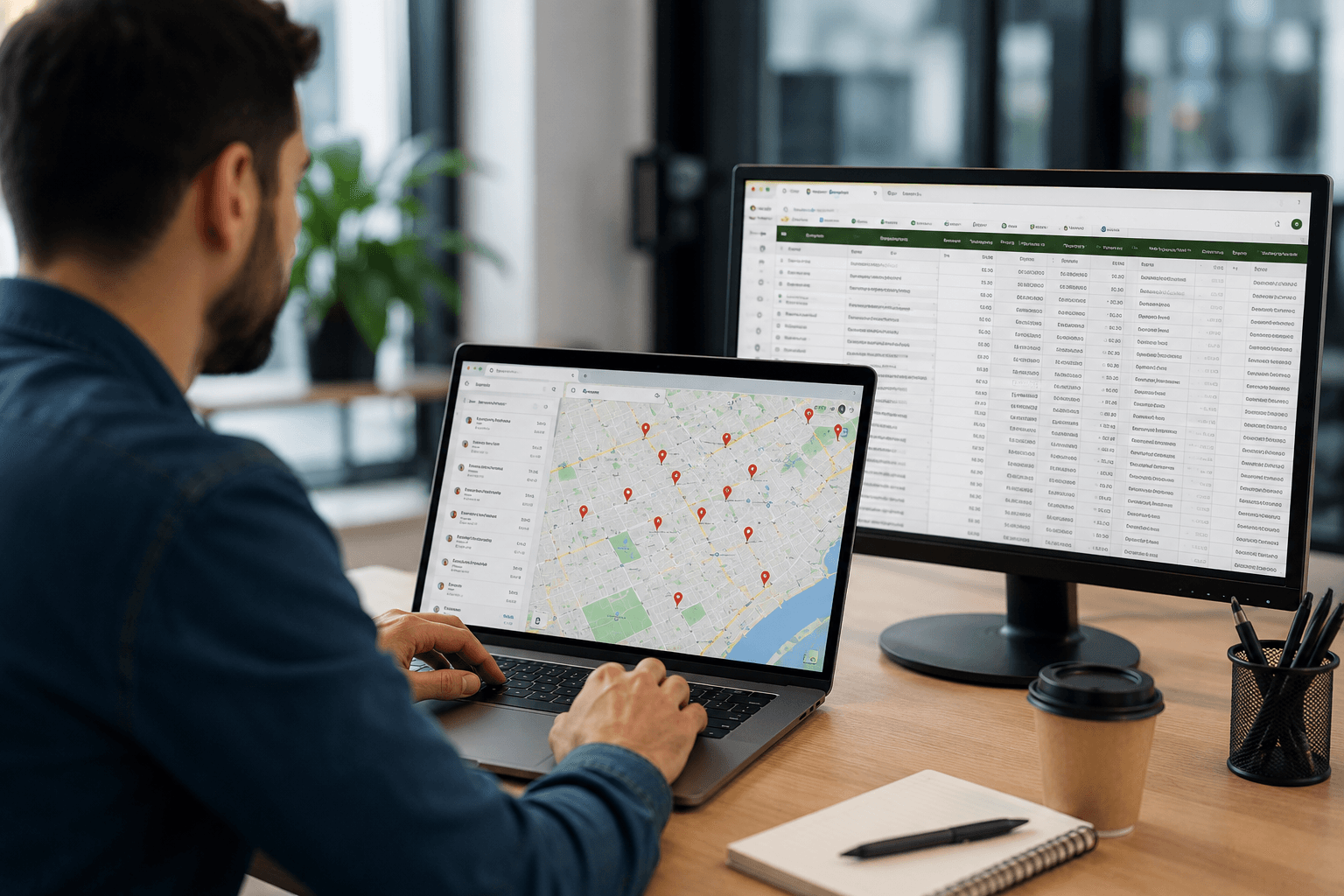
Sales teams under pressure to find qualified prospects faster are turning to a familiar source of data in a new way. Outscraper's Google Maps Scraper collects publicly available business information from Google Maps, converting one of the web's largest pools of local business listings into structured, CRM-ready prospect lists for outreach, market research and growth planning.
Businesses today face mounting pressure to identify qualified prospects faster while cutting the hours spent on manual research. As sales organizations adopt automation and data-driven workflows, structured business information has become an essential ingredient of modern lead generation. Rather than piecing together contacts by hand, teams are increasingly building targeted lists from public data at scale.
Traditional prospecting often means searching for businesses one by one, verifying contact details, and manually organizing everything into spreadsheets or CRM systems. That approach can work for small projects, but it breaks down quickly when the goal is researching hundreds or thousands of businesses across multiple industries or geographic regions.
Why Google Maps Became a Prospecting Goldmine
Google Maps holds one of the largest collections of publicly available local business information anywhere online. Companies tap that data to identify potential customers, size up competitors, explore new markets, and understand local business landscapes. Organized into structured datasets, that same public information can power more efficient outreach, sharper strategic planning, and stronger business intelligence.
Outscraper's Google Maps Scraper automates the collection of this publicly available business information. Users can search businesses by location, category, or keyword and export structured datasets for further analysis. Instead of spending hours gathering information manually, teams redirect that time toward qualifying prospects, personalizing outreach, and building customer relationships.
Automation and AI Are Driving the Demand
The rise of AI and sales automation has sharpened the appetite for structured business data. CRM platforms, marketing automation tools, analytics solutions, and AI-powered applications all depend on accurate datasets to help businesses make informed decisions. Automating collection lets organizations improve workflow efficiency while stripping out repetitive manual tasks.
Sales teams are among the biggest beneficiaries. Rather than leaning on generic contact databases, they can isolate businesses that match specific criteria — industry, location, ratings, or business category — enabling more targeted outreach and helping reps prioritize the opportunities that fit their ideal customer profile.
- Sales teams filter businesses by industry, location, ratings, or category to focus on their ideal customer profile.
- Marketing agencies research businesses in specific industries or areas, analyze local competition, and support local SEO campaigns.
- Consultants, market researchers, and franchise development teams use location-based data to evaluate markets, spot trends, and plan expansion.
Built for Freelancers Through to Enterprise
Outscraper's Google Maps Scraper is designed for businesses of every size — from independent consultants and small agencies to enterprise organizations running large-scale prospecting and market research programs. The platform supports flexible exports and API access, letting teams feed structured data straight into existing workflows, CRM systems, and analytics platforms.
Demand for location-based business intelligence keeps climbing as companies push into new markets and lean harder on data-driven sales strategies. Access to accurate, organized business information helps organizations surface opportunities faster, monitor competitive landscapes, and shape more effective go-to-market initiatives.
Why Marketers Should Pay Attention
For marketing and revenue teams, the shift here isn't about a single tool — it's about where prospect data now originates. As AI-driven CRM, analytics, and automation stacks grow only as smart as the data feeding them, publicly available local business information is becoming a foundational input rather than an afterthought. The teams that learn to responsibly convert open data into structured, ICP-aligned lists will move faster on outreach, market entry, and competitive analysis than those still building prospect lists by hand.
Background: Outscraper
Outscraper provides data extraction tools that help organizations collect publicly available business information at scale. Its Google Maps Scraper transforms open Google Maps listings into structured datasets that support scalable lead generation, market research, competitive analysis, and business intelligence. With flexible export options and API access, the platform is positioned to integrate location-based data into the CRM, marketing, and analytics workflows businesses already run.
Key Takeaways
- Public data, structured for sales. Outscraper's Google Maps Scraper turns publicly available Google Maps listings into structured prospect lists for outreach, research, and growth.
- Manual prospecting doesn't scale. Searching businesses one by one works for small projects but collapses across hundreds or thousands of businesses in multiple industries and regions.
- Search by what matters. Teams can pull businesses by location, category, or keyword and filter by industry, ratings, or business type to match their ideal customer profile.
- Fuel for the AI stack. CRM, marketing automation, analytics, and AI-powered tools all depend on accurate datasets — automated collection keeps them fed while cutting repetitive work.
- Not just for sales teams. Marketing agencies, consultants, market researchers, and franchise development teams all use location-based data for campaigns, competition analysis, and expansion planning.
- Freelancer to enterprise. Flexible exports and API access let organizations of every size integrate structured data directly into existing CRM and analytics workflows.